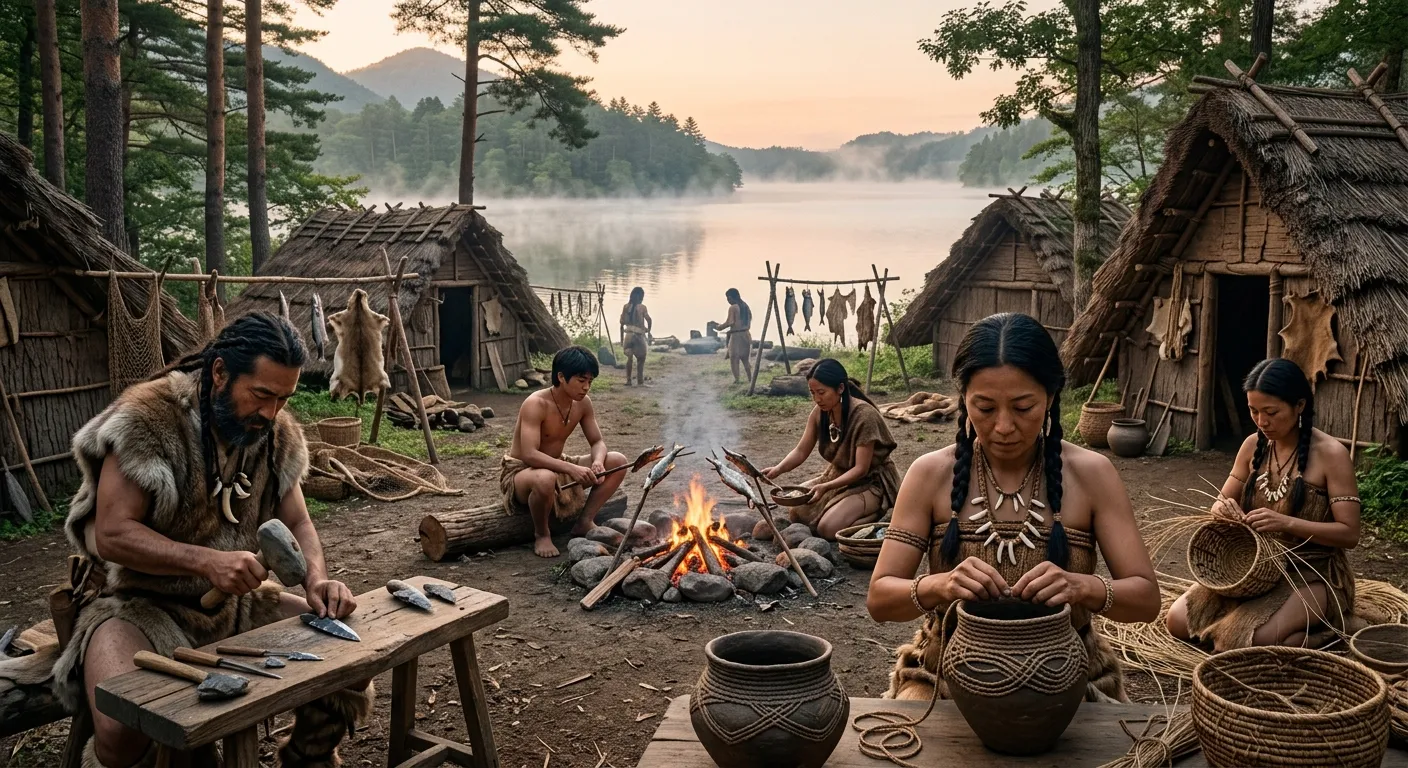
Before the Castle: When Osaka was a Prehistoric Lagoon
Long before the first samurai, a lost world of aquatic hunter-gatherers and incoming farmers shaped the ground beneath Osaka Castle.
Osaka Castle Walks with Edward
Essays on the people, places, and political struggles that shaped Japan.
Japan's history is more complicated—and more interesting—than the version most visitors encounter. I write about the people, places, power struggles, and forgotten histories that shaped Japan, with a particular focus on Osaka and the formation of the Japanese state.
Stories about power, politics, and the historical forces that shaped Japan.
Long before the first samurai, a lost world of aquatic hunter-gatherers and incoming farmers shaped the ground beneath Osaka Castle.
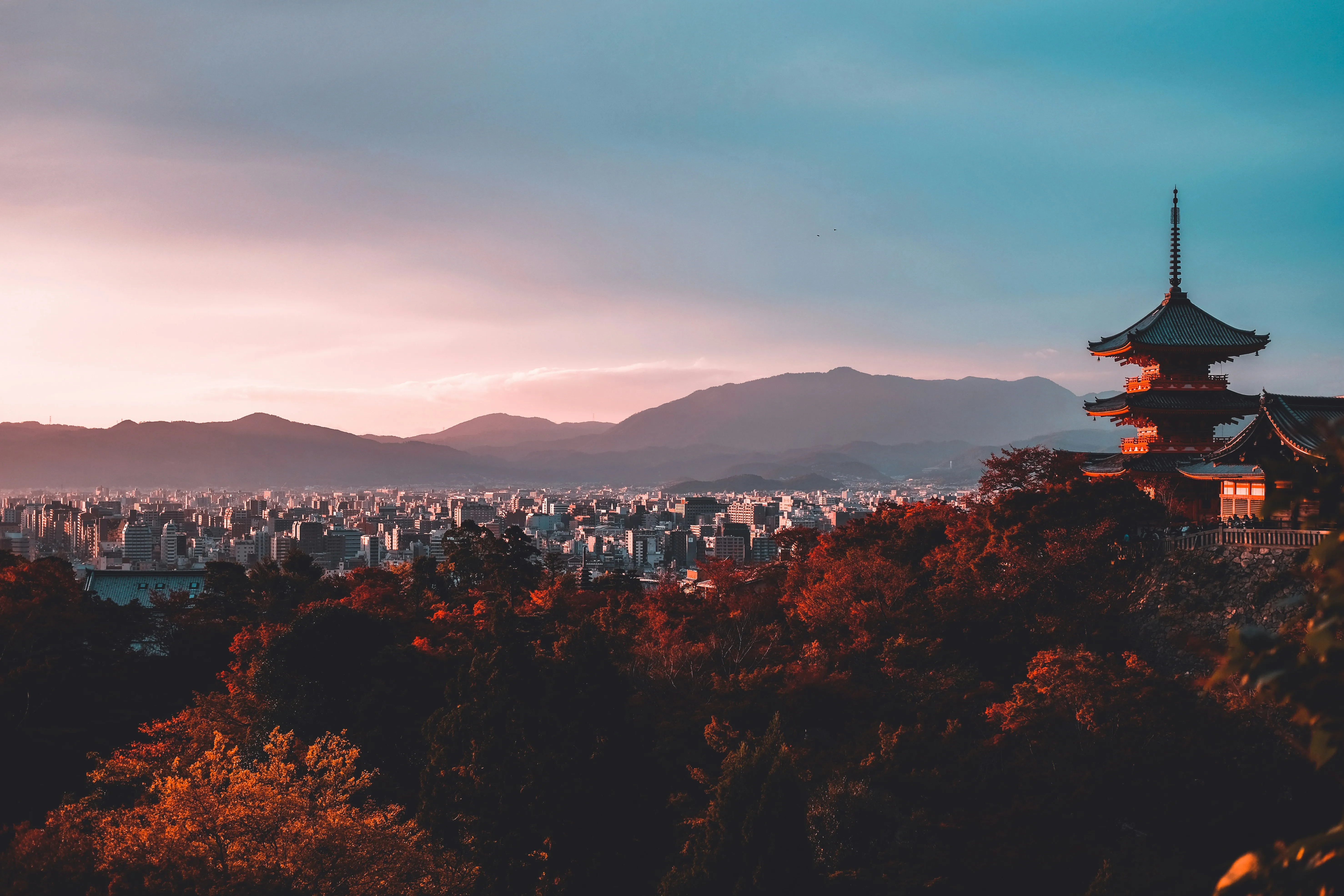
An exploration of why the Japanese state historically maintained backup capitals, and how this architectural and political strategy insured the imperial court against disaster and usurpation.
Commentary and analysis published in established news organizations.
An op-ed on the 2026 Imperial House Law and how modern succession rules reflect long-standing strategies for managing legitimacy.
Some stories don't fit neatly into a newspaper article. These are the longer considerations, following a question from the historical record to the landscape where it unfolded.
An exploration of why the Japanese state historically maintained backup capitals, and how this architectural and political strategy insured the imperial court against disaster and usurpation.
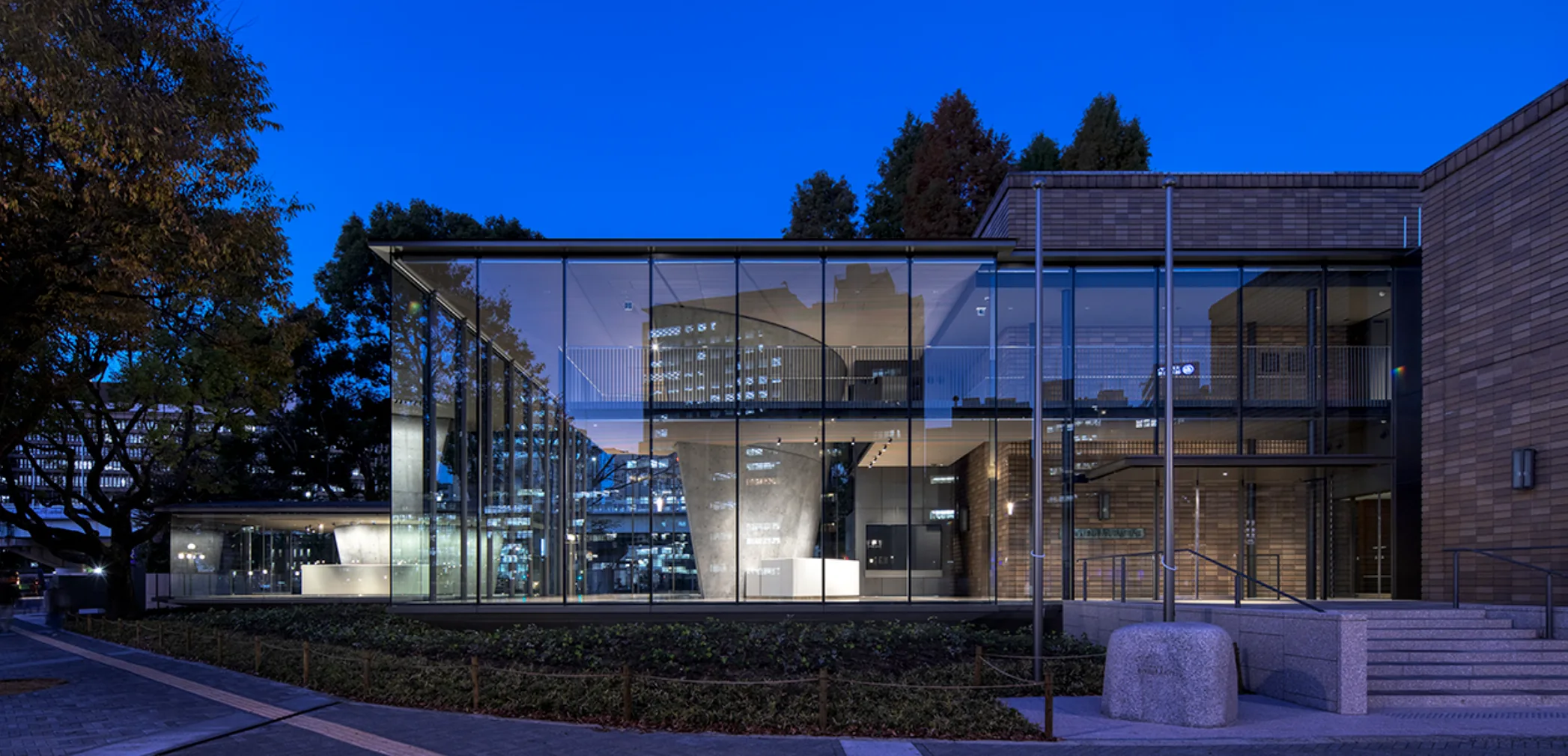
The National Treasure Yuteki tenmoku tea bowl carries a label naming Toyotomi Hidetsugu. Behind it lies the Ataka Collection, the kiln science of the glaze, and a curator's honest reckoning with what provenance can — and cannot — prove.
Choose Your Investigation
Personally led by Edward Iftody • One historian. Six guests. One investigation.
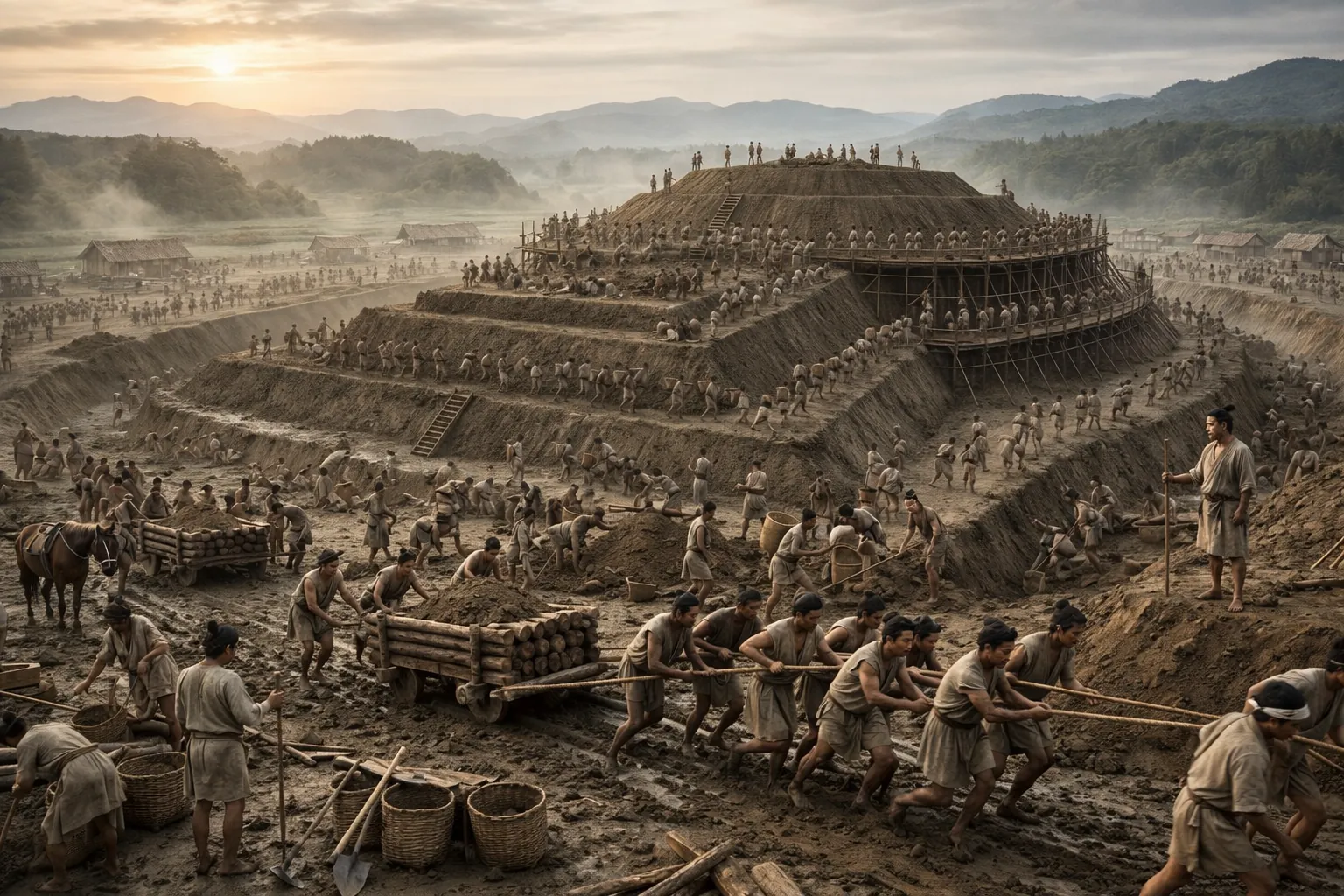
An Osaka Castle Park tour for hard-core historians who want to separate facts from myth and ancient propaganda.
Most Osaka Castle tours start in the 1500s. This one starts before Japan had a name — because the castle only makes sense once you've stood where it all began.
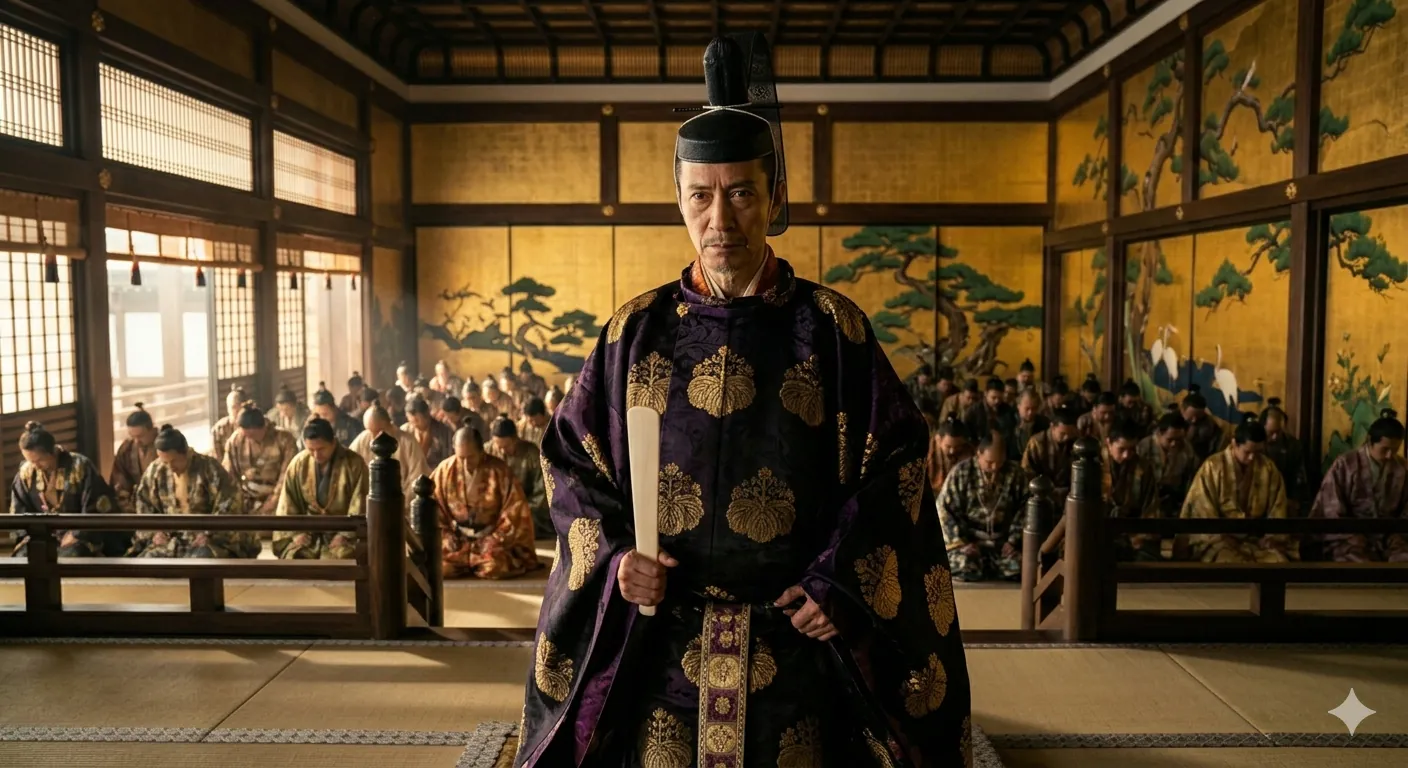
An Osaka Castle Park tour for Shogun-series fans looking for accurate, accessible history.
Warrior monks fortified it. A peasant rebuilt it. A shogun buried it. Walk the remains of three fortresses, each one burying the last. Discover why Osaka became home to Japan’s most powerful castle.
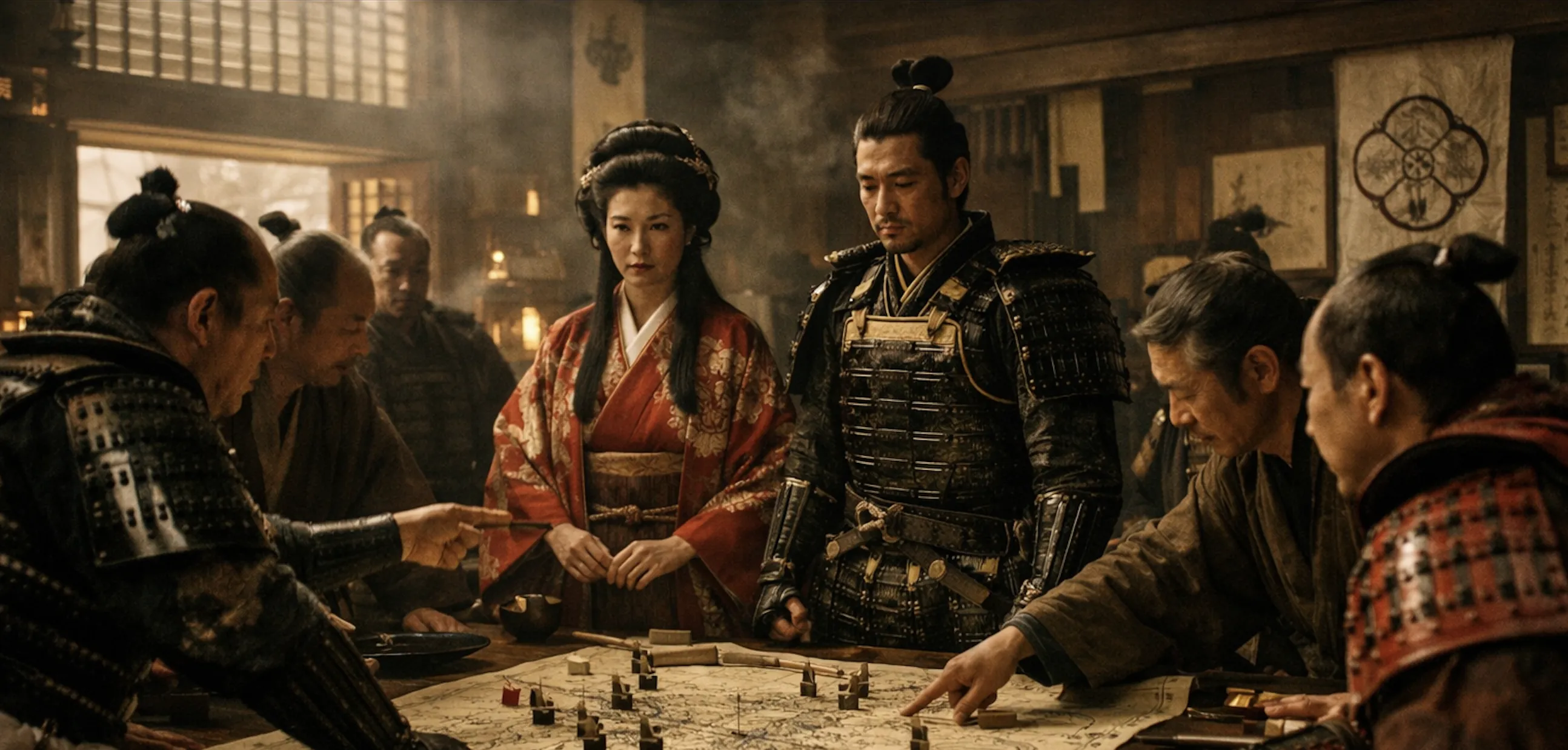
An Osaka Castle Park tour for true-crime lovers looking for modern interpretations of Osaka's greatest mysteries.
Hideyori is dead. His mother too. The Shogun says it was suicide — the evidence disagrees. Investigate the scene with a Resident Historian and leave knowing the real reason Osaka Castle had to fall.
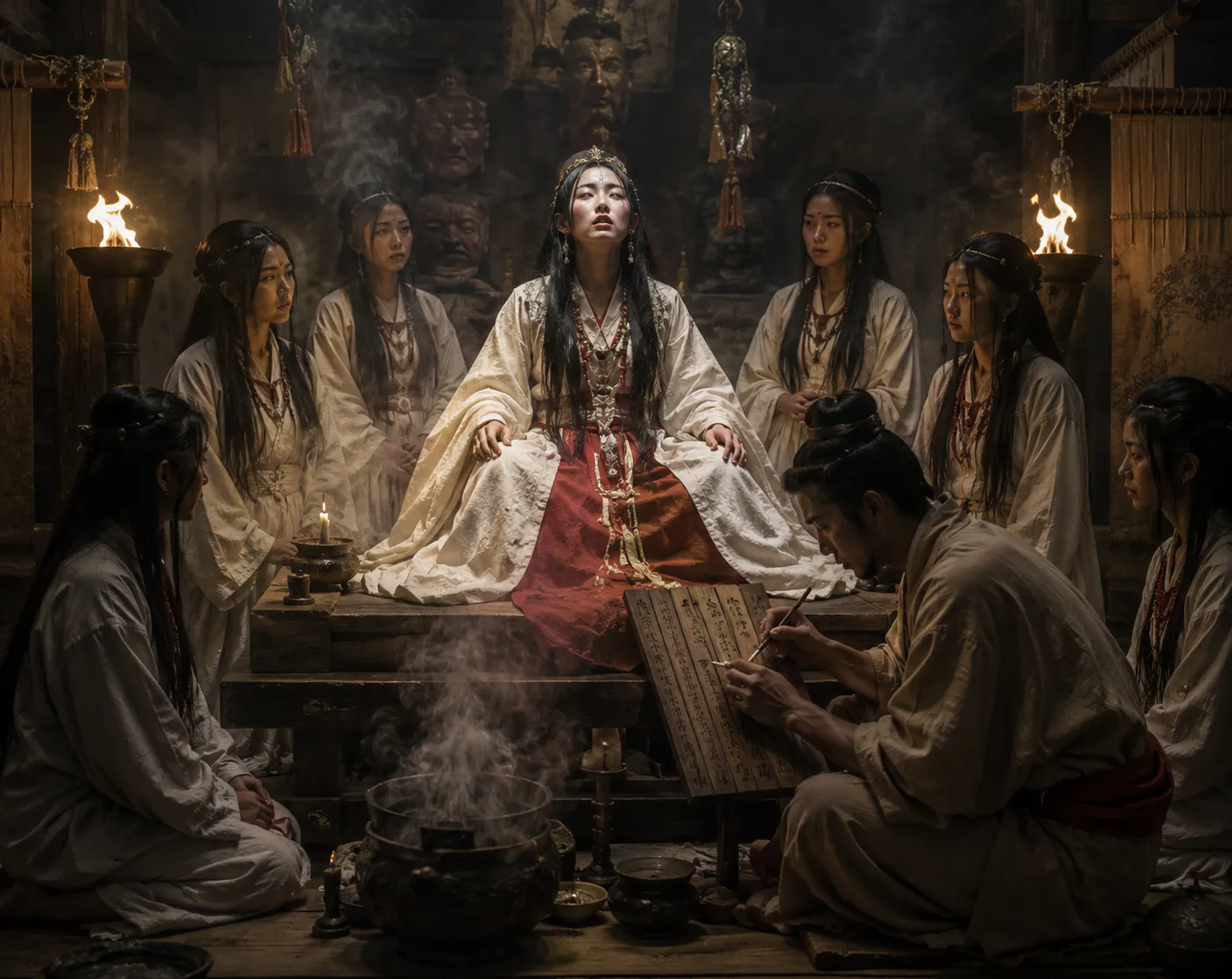
An Osaka Castle Park tour for history fans looking for a focus on Japan's most influential historical women.
Five women. Two thousand years. Each rises to absolute power—divine, political, or cultural. Walk the ground where their stories unfolded and discover Japan from an untold perspective.
Undecided Investigators Wanted.
You tell me what brought you to Japan and what you already know about Osaka Castle. I'll build the investigation around your curiosity — no script, no predetermined route.
Prefer more of Osaka Castle Walks in your Google search results — this only affects your own Google account.
Walk with a historian who lives beside it. Small groups. Osaka Castle every day • English • Max 6 guests
Explore the Tours Call / Text Edward WhatsApp EdwardLast updated: September 2026
Edward Iftody — Osaka Castle’s Resident Historian