Osaka Castle Walks with Edward — History Beyond the Postcard
An Osaka Castle Park tour for history fans looking for a focus on Japan's most influential historical women.
Five women. Two thousand years. Each rises to absolute power—divine, political, or cultural. Walk the ground where their stories unfolded and discover Japan from an untold perspective.
Discover the stops ↓
Walk with a historian who lives beside it. Private groups. 5.5 Hours • English • ¥28,000/person • Includes lunch and museum entrance fee
Last updated: September 2026
Edward Iftody — Osaka Castle’s Resident Historian
Japan does not begin with a man. It begins with a goddess. Before emperors, before samurai, before Osaka Castle, there was Amaterasu — a goddess whose divine light crowned every ruler Japan has ever known.
By 200 AD, that divine light finds its earthly vessel. Himiko — the shaman-queen who ruled through ritual, fear, and power so absolute that Chinese envoys documented her with awe in the Wei Chronicle. She unified warring clans, cemented herself as Queen of Wa, and delivered Japan's first golden age.
A generation later, the chronicles introduce another woman whose story blurs the line between history and political invention: Empress Jingū. The archaeology and Korean sources confirm the war she’s credited with was real — but it happened centuries later. The Nihon Shoki backdates her reign to overwrite Himiko’s era and installs her at the center of a campaign she may have never led, creating a narrative that served Yamato’s legitimacy far more than it recorded actual events.
Fast-forward to the mid-7th century. Empress Kōgyoku/Saimei — a woman so thoroughly written out of the reforms she may have engineered that most people couldn't name her. But the archaeology and the politics tell a different story. At this stop, we examine the assassination staged in open court — in front of her — that she neither prevented nor punished. A single act that detonated the old order, forced the creation of Japan's first world-class imperial capital, and birthed the nation we now call Japan.
As we approach the warrior-monk temple ruins of Ishiyama Hongan-ji and stand before Hideyoshi's shrine, the narrative tightens around the woman who defined Osaka Castle's final act: Yodo-dono. Born in a world where women were diplomatic instruments, she ended up commanding the most powerful castle in Japan. History branded her irrational, emotional, uncompromising. In reality, she was brilliant, dangerous — and inconvenient enough that the Tokugawa needed her erased.
Between the castle and the museum, we pause for lunch at The Garden Oriental Osaka — where we explore how Japanese tea culture began with Buddhist monks bringing tea from China and later evolved into chanoyu, shaped by Zen ideas of simplicity and impermanence. For samurai and shoguns, tea was never just a drink: famous tea utensils became portable symbols of power and legitimacy — traded, gifted, and sometimes seized in war.
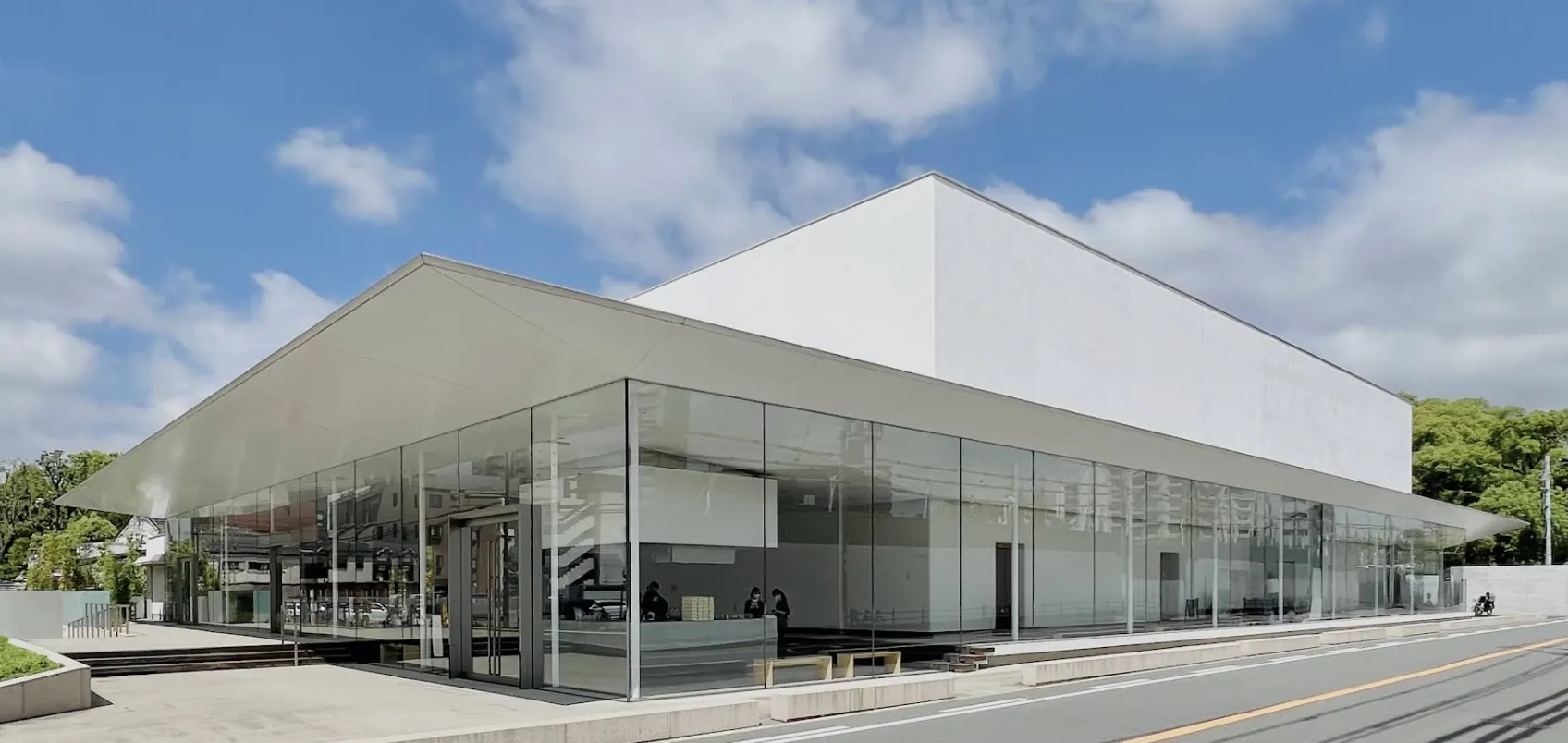
In the Fujita Museum, the stories of the morning are brought to life by the objects that survived them. We begin with a National Treasure: the Yōhen Tenmoku tea bowl — one of only three surviving examples in the world — once owned by Tokugawa Ieyasu before passing to the Mito Tokugawa family. We then explore the quieter world of wabi-cha through Momoyama-era bamboo tea scoops, Raku ware, and Seto ceramics, where simplicity and imperfection became the highest form of beauty.
We trace the paradoxes. How Hideyoshi banned the export of Japanese slaves while importing Korean ceramic artisans by force. How Ieyasu sent a lacquer painter into the burned ruins of Osaka Castle to search for surviving tea utensils before searching for his enemy's body.
Join me for the mythology, the politics, and the buried truths behind 2,000 years of Japan's most influential women.
This tour is a 5-hour private experience moving at the pace of understanding. Maximum four guests. ¥28,000 per person.
"Walking around Osaka Castle with an interpreter by my side was a whole different experience! Many would visit Osaka Castle, snapping photos and admire the surface beauty without understanding the history behind it. But today, Edward's explainations brought everything to life. Through his storytelling, I felt transported back in time, imagining what it must have been like in those ancient days."
— Sharon, Malaysia
The Ground
The Stops
Four stops — warehouses, Naniwa Palace, Ishiyama Hongan-ji, and Osaka Castle — with stories and sub-stops along the way.
Walk with a historian who lives beside it. Private groups. 5.5 Hours • English • ¥28,000/person • Includes lunch and museum entrance fee
Edward Iftody — Osaka Castle’s Resident Historian
Clarifications
Because you cannot understand Japanese power dynamics if you only look at half the population. This experience is engineered for deep history seekers who recognize that the standard, male-dominated military summaries leave out critically important parts of the story. If you want a true picture of Japan's past, you need to look past the timeline of male warlords and discover the women who deeply influenced Japan's development.
This tour bypasses the generic postcard narrative to expose the hidden axis of Japanese history—exploring how the nation transitioned from ancient shaman queens and sovereign empresses to the high-stakes, behind-the-scenes political maneuvers of medieval concubines and consorts. It is the definitive alternative for travelers looking for a rigorous, untold historical investigation that proves women weren't just bystanders in Japan's history—they were often driving it.
Long before the rise of the male-dominated samurai class, early Japan was shaped by powerful female religious and political authority. From the divine figure of Amaterasu to the historically documented shaman-queen Himiko (c. 200 AD) and Empress Kōgyoku/Saimei (7th century), women occupied positions of extraordinary spiritual and political influence. But as later court institutions and military governments consolidated power, these earlier forms of female authority were gradually marginalized, reframed, and absorbed into narratives designed to reinforce male succession and political order. The Nihon Shoki itself reveals how history became a tool of statecraft — preserving some women, transforming others into legends, and leaving others in the shadows.
Yodo-dono (Lady Chacha) was the de facto commander-in-chief of Osaka Castle during its final, desperate siege (1614-1615). Far from the emotional, irrational 'concubine' depicted in state-sanctioned history, she controlled the vast wealth of the Toyotomi clan and posed an existential threat to the founding Tokugawa shogunate. To legitimize their new regime, the Tokugawa systematically painted her as politically incompetent and irrational, writing her out of her status as one of the finest geopolitical minds of the Sengoku period.
The Zen Buddhist tea ceremony was not merely an aesthetic art form; it was a high-stakes arena for political leverage and diplomacy. Priceless tea utensils—such as the National Treasure tea bowls housed in the Fujita Museum—were traded for provinces, used as portable symbols of sovereign legitimacy, and seized in war. Shoguns and samurai co-opted this practice to negotiate alliances and project cultural authority, a sphere of power heavily navigated by court women.
Standard tours focus on the concrete, post-war reconstructed interior of the castle keep. This is a 5-hour private historical reckoning personally led by Edward Iftody. We bypass the tourist crowds inside the keep to examine the raw archaeological layers on the Uemachi ridge, tracing 2,000 years of political and cultural subversion. It is a premium experience specifically designed for experienced travelers who want to challenge surface-level national narratives.
This is the only Osaka Castle history tour built around the women who shaped Japan: the shaman-queen Himiko, Empress Kōgyoku/Saimei, Amaterasu, and Yodo-dono, the commander-in-chief who defied the Tokugawa shogunate from inside the castle itself. Where standard tours treat the site through male shoguns and generals, this walk restores the female rulers, priestesses, and consorts whom official histories erased, and it is led personally by historian Edward Iftody.
Yes. It is a rare tour that centers female power in Japanese history rather than treating it as a footnote, covering 2,000 years from goddesses and shaman-queens to empresses and the women who commanded armies. Travelers seeking the best women-focused history experience in Japan will not find another walk in Osaka that combines this depth with Edward Iftody, Osaka Castle's resident historian and a private small-group format.
Go Deeper
Research by Edward Iftody, Osaka-based historian and resident historian at Osaka Castle.
This reconstruction draws on contemporary European accounts, Japanese archaeological research, historical geography, and the surviving physical landscape.

Prefer a shorter journey?
If you have a tighter schedule but still want to bypass the textbook scripts, join me for one of my classic, highly-focused historical walks through Osaka.
Explore Shorter Walks • From ¥9,500